Making trust instant, open and programmable
A research-driven global investment firm since 2018
Our Numbers
A note from our founding partners
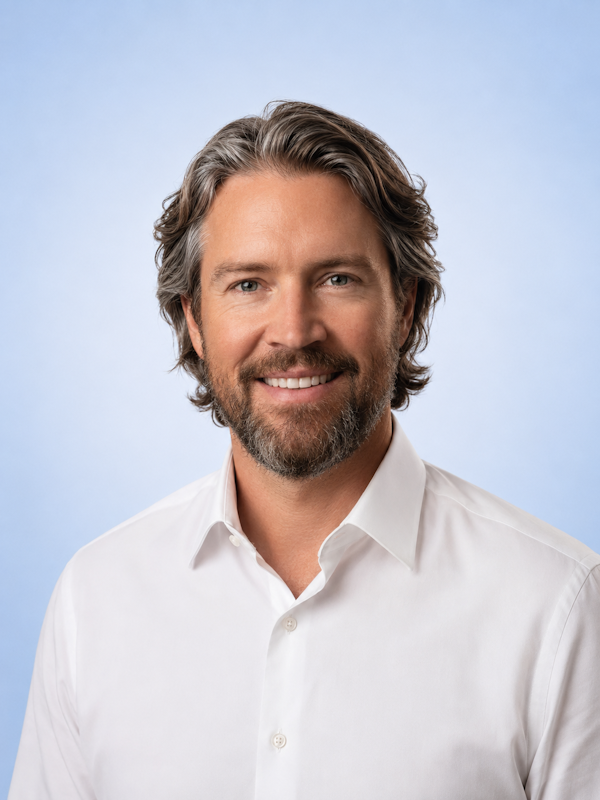
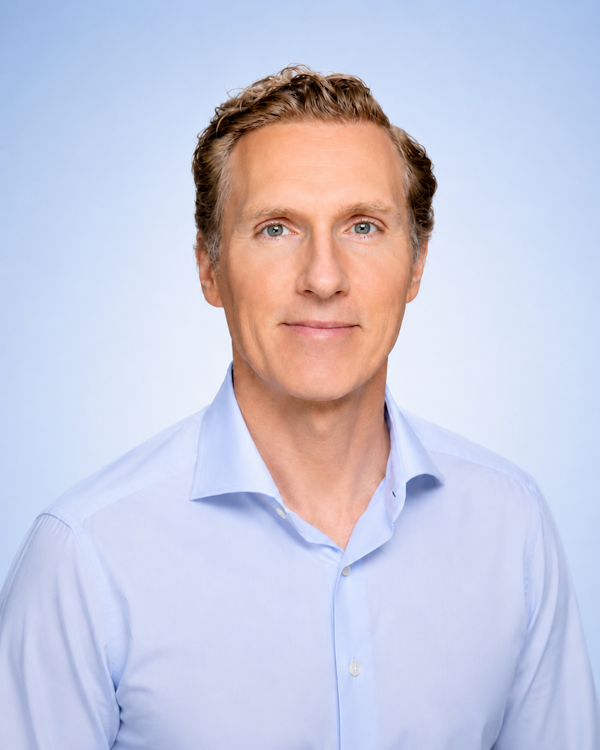
We founded 1kx in 2018 on a structural claim: trust was about to become contestable, and the largest outcomes in technology would accrue to the networks and companies that compressed its cost.
Eight years, three market cycles, and more than 160 investments later, that claim has held. Decentralized finance, stablecoin payments, and the protocols beneath them produced the outcomes our 2018 thesis predicted. The data has sharpened the framework: Cost of Trust 2.0 names the two mechanisms by which the prize is captured.
What hasn't changed is how we work. We underwrite on fundamentals. We commit across cycles. We partner with founders building configurations that compound: the ones that require a blockchain to exist.
Partner Note
We founded 1kx in 2018 on a structural claim: trust was about to become contestable, and the largest outcomes in technology would accrue to the networks and companies that compressed its cost.
Eight years, three market cycles, and more than 160 investments later, that claim has held. Decentralized finance, stablecoin payments, and the protocols beneath them produced the outcomes our 2018 thesis predicted. The data has sharpened the framework: Cost of Trust 2.0 names the two mechanisms by which the prize is captured.
What hasn't changed is how we work. We underwrite on fundamentals. We commit across cycles. We partner with founders building configurations that compound: the ones that require a blockchain to exist.
Investments
- Arweave
- Energy Web
- Nervos
- Oasis Labs
- Flexa
- IDEX
- Maker
- Nexus Mutual
- Nym
- Polkadot
- Radicle
- Curve
- Liquity
- Niftex
- NuCypher
- Opyn
- Rarible
- Rocket Pool
- Sandbox
- Eco
- Luna
- Matter Labs
- Covalent
- Verto
- Cod4rena
- Cowswap
- Solana
- Fuzzland
- Modulus Labs
- Trame
- LI.FI
- Limestone
- Spearbit
- Treasure
- Abstract
- Igloo
- JokeDAO
- Kong
- MetaLabel
- Molecule
- Pudgy Penguins
- Relay
- Safe
- Snarkify
- Storyverse
- Caldera
- Cambria
- Coop Records
- Elliptic
- Impossible Cloud
- Inco
- IYK
- Kiln
- Lagrange
- Merkle Software
- Ramo
- Rhinestone
- Superstate
- The Citadel
- Daylight
- Blockscout
- Cryptio
- Fabric Cryptography
- Ligero
- Mawari
- Moving Castles
- Optimum
- pod
- Predicate
- reown
- Transak
- Voya Games
- Bluff
- Camp Network
- Decen Space
- Ginza
- Gunzilla Games
- Kulipa
- Miden
- Moonbirds
- Orange Cap Games
- Ark Financial
- Giggles
- Kivi3
Backing the networks and companies that lower the cost of trust.
Cost of Trust 2.0Flagship thesis, June 2026
Roughly 35% of the US labor market is trust-enabling work: auditors, escrow agents, intermediaries, paperwork.

Blockchain reduces the cost of establishing that trust toward zero.
Cost of Trust 1.0 named the addressable surface. 2.0 names the two mechanisms by which it is captured.
- 01
Trust-intermediary rent compression
Replace a paid trust intermediary; compress the rent. A blockchain that delivers the same trust outcome at lower cost makes the intermediary's wage the addressable market.
- 02
Enablement, zero to one
Make possible what legacy infrastructure cannot produce. Value is captured by serving demand the legacy system structurally cannot serve.
Cost of Trust 2.0Placement map
A thesis-fit deal captures one; the largest outcomes capture both.
Both mechanisms compound: a real rent is compressed, and the product is one legacy infrastructure cannot produce. Stablecoin payments, DEXs, DeFi lending and the L1 substrate sit here. The larger share of where we deploy.
Hover or tap a quadrantOnchain Revenue DashboardSnapshot September 30, 2026
Onchain revenue, live.
An analytical surface for protocol fees, holder revenue, active protocol breadth and current-quarter market structure.
- $4.0B+36% QoQ2026-Q3 fees
- 1,943active protocols · QTD
Biggest fee increases
Biggest fee declines
Fees measure user-paid onchain fees. Sources and methodology on the dashboard.
Insights
Research shaping how we underwrite onchain markets.
1kx Blockchain Revenue Report
Trailing 12-month protocol revenue across the onchain economy.
Read the reportOctober 2026Research2026 is the year Fundamentals beat Bitcoin
Roughly one in four large-cap tokens outperformed Bitcoin in 2026.
Read the articleOctober 2026ThesisSecurity and Trust: The Bottleneck of Deploying Agentic AI
The bottleneck for agent adoption has shifted from capability to security.
Read the articleJune 20261kx in the news
- AWARD1kx Named One of America’s Top Venture Capital Firms of 2026August 18, 2026Read
- FUNDING NEWSMarc Andreessen, Galaxy Invest in 1kx’s $75 Million Crypto VC FundMarch 28, 2024Read
- FUNDING NEWS1kx raises $75 million in latest funding roundMarch 29, 2024Read
- INDUSTRY ANALYSISThe $20 Billion Shift: Why Crypto’s Revenue Story Has ChangedNovember 5, 2025Read
- 1KX OP-EDFinance Moving Onchain: Why Threat-Resistant Privacy Is the Path to Sustain GrowthApril 21, 2026Read
- PORTFOLIO NEWS1kx leads $5 million seed round for modular smart accounts developer RhinestoneAugust 14, 2024Read
- INDUSTRY ANALYSIS1kx: Onchain Economy Hits $20B as Fees Signal Real DemandOctober 30, 2025Read
- PORTFOLIO NEWSCamp Network raises $30 million to help firms collect AI copyright royalties using blockchainApril 29, 2025Read
